Articles
Why "eating healthy" doesn't always fix your gut
By Sharon Hespe · 13 March 2026 · 6 min read

You can eat all the right foods and still feel bloated, tired or uncomfortable. The missing piece is usually how well your gut is actually absorbing what you eat.
We've all heard the phrase "you are what you eat." But I actually think it should be changed to something slightly different. You are what you absorb.
Because if we truly were just what we eat, then eating healthy food should fix everything… right? Yet so many people clean up their diet, start eating lots of vegetables, remove processed foods, and still find that their gut symptoms don't go away. They're left feeling confused and frustrated.
So what's going on? Often, the answer lies in how well your small intestine is functioning.
When it comes to digestive health, the small intestine is where most of the magic happens. This is where the majority of digestion and nutrient absorption takes place. But it's also where many gut problems begin.
When the small intestine isn't functioning properly, we can start to see issues such as:
- SIBO (Small Intestinal Bacterial Overgrowth)
- Fructose malabsorption
- Leaky gut syndrome
And when these conditions are present, even the healthiest foods can trigger uncomfortable symptoms. Which can be incredibly confusing, because suddenly the foods that are meant to help you feel better are actually making you feel worse.
Let's take SIBO as an example
Many healthy foods such as broccoli, kale, cauliflower, cabbage and brussels sprouts are highly nutritious. But they are also very fermentable.
Under normal circumstances, these foods pass through the small intestine and are then fermented by bacteria in the large intestine, where fermentation is meant to happen. But with SIBO, bacteria have moved up into the small intestine, where they don't belong.
So instead of fermenting later in the digestive process, these foods begin fermenting too early. This produces gases that can lead to symptoms such as:
- Bloating
- Abdominal discomfort
- Constipation
- Diarrhoea
So even though the foods themselves are healthy, the environment inside the gut has changed, and that changes how those foods behave in the body.
Fructose malabsorption
Another common issue I see in clinic is fructose malabsorption. In this situation, certain sugars — fructose and fructans — aren't absorbed properly through the small intestine.
This can happen when the small intestine has become compromised over time. Sometimes from things like:
- Years of digestive issues
- Gastroenteritis
- Chronic stress
- Inflammation in the gut
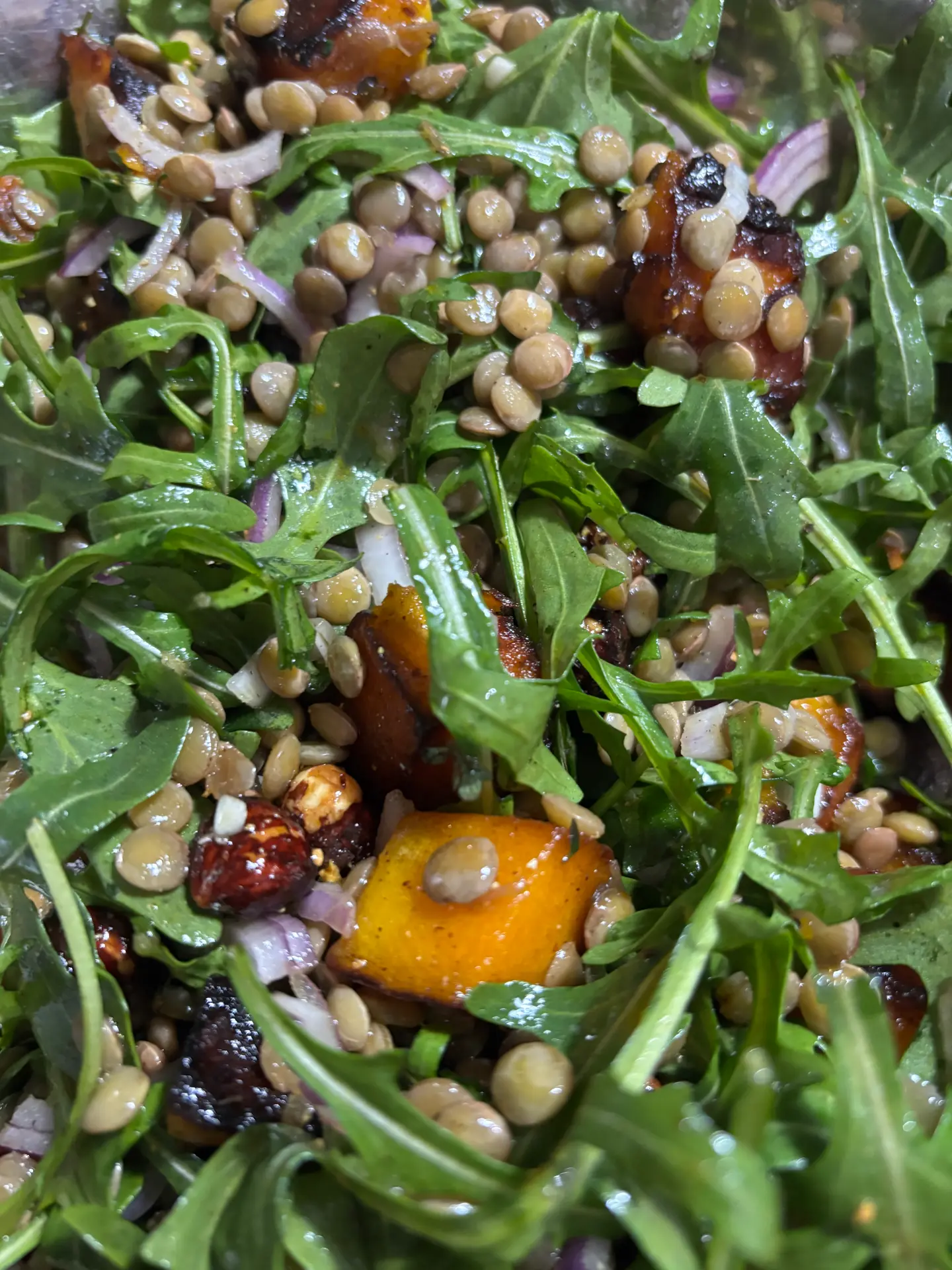
The challenge is that many healthy foods naturally contain fructose or fructans. Foods such as: artichokes, sweet potato, asparagus, garlic, onions, leeks, lentils, beans, soy products, coconut products such as coconut yoghurt, coconut cream and coconut milk, tomatoes, Lebanese cucumbers, iceberg lettuce, fresh and dried fruit, and juiced fruits.
When these sugars aren't absorbed properly, they travel further along the digestive tract where bacteria ferment them. This fermentation produces gas, which can lead to symptoms like:
- Bloating
- Abdominal pain
- Constipation
- Diarrhoea
With fructose malabsorption, people usually experience either constipation or diarrhoea. With SIBO, it's more common to see alternating constipation and diarrhoea.
Food sensitivities and leaky gut
Another reason healthy foods can cause problems is food sensitivities, particularly IgG sensitivities. When someone has leaky gut syndrome, the lining of the gut becomes more permeable. Tiny gaps open up between the cells of the gut wall, allowing food proteins to leak through into the bloodstream.
When this happens, the immune system recognises those proteins as foreign and mounts a response. And that immune response can trigger a range of symptoms — even when the foods themselves are healthy.
It's not always the food that's the problem
If you've been eating well and still experiencing gut symptoms, it's important to understand this: it's not always the food that's the problem. Often, the issue lies in what's happening inside the gut.
That's why testing can be such an important part of the healing process. Because once we identify the underlying issue — whether it's SIBO, fructose malabsorption, leaky gut or something else — we can create a treatment plan that addresses the root cause. And when we treat the root cause, that's when real healing can begin.
Gut health can feel incredibly confusing when you're trying to figure it out on your own. If you feel like you've tried everything and you're still not getting answers, send Sharon a message and let's connect the dots together.
Book a chat with SharonReady to feel better in your body?
If something in this article resonated, let's chat. Book a consultation or send Sharon a message — every enquiry gets a personal reply.
Get in touch